
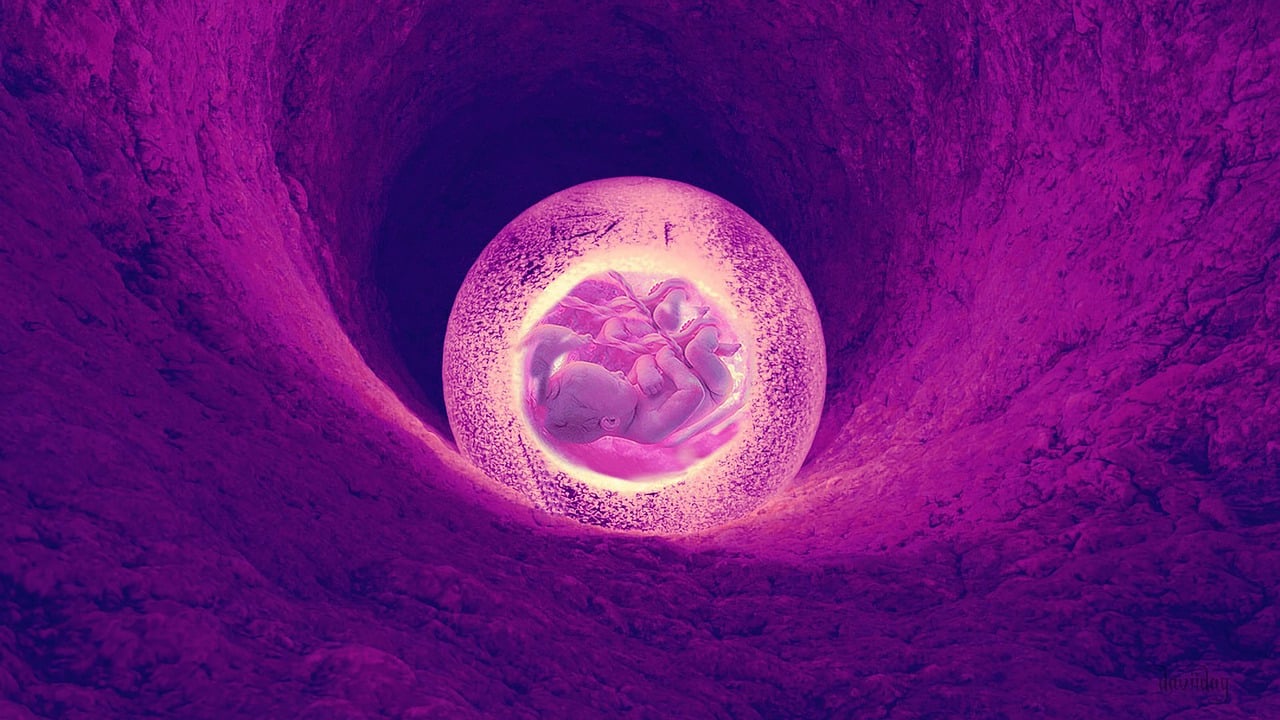
ENDOMETRIOSIS
The layer lining the inside of the uterus is called the endometrium. Under the influence of hormones secreted monthly, the endometrium prepares for the implantation of a pregnancy. If pregnancy does not occur, it sheds in the form of menstrual bleeding.
Under normal circumstances, this cell layer is located only inside the uterus in the body.
The presence of these cells in any area of the body outside the uterus is defined as the disease called “endometriosis”.
This condition is most commonly observed in the ovaries, in the space behind the uterus (Douglas pouch), between the vagina and the last part of the bowel, on the surface of the intestines, on or around the fallopian tubes, on the ligaments that support the uterus and on the bladder, or on the surfaces of the peritoneum. It can also be seen in surgical wounds, incisions made during sutured delivery, and very rarely in distant organs such as the navel and nasal mucosa. The most common location, at a rate of 75%, is the ovaries.
Endometriosis foci undergo the same changes caused by hormones during a menstrual cycle, and during menstruation these cells also bleed and shed. Inflammatory defense cells that aim to limit bleeding in the abdominal cavity surround the endometriosis foci. A process caused by the inflammatory response begins in this area. During healing, adhesions form to the surrounding tissues, and this situation recurs and continues with each menstrual period.
Endometriosis can cause infertility through many mechanisms, from disruption of egg transport in the tubes to impairment of ovulation function and disorders in the implantation of the fertilized embryo into the uterus. In women, apart from infertility; it is a cause of painful intercourse (dyspareunia), painful menstruation (dysmenorrhea) and chronic groin pain (pelvic pain).
The inner layer of the uterus is a tissue that thickens every month during the menstrual cycle and is expelled from the body with bleeding after a certain period. When the uterine lining settles in a place outside the uterine surface, it again thickens with the menstrual cycle and again attempts to be expelled with bleeding. The tissues where endometriosis is located are closed systems, unlike the uterus which opens to the outside through the vagina, and bleeding occurs into this closed system (usually into the abdominal cavity or into the ovarian tissue, which over time leads to ovarian cysts called endometrioma, also known as chocolate cysts). These internal bleedings cause adhesions in internal areas and related symptoms occur. Since the amount of this internal bleeding is very small, it does not pose a life-threatening risk.
In whom is endometriosis seen?
Endometriosis is considered a disease of women of reproductive age. It can be detected in a woman who has no complaints and is being evaluated for another reason. It is found in 3–5% of all women and in 40% of couples who have difficulty having children. In a woman who has a first-degree relative diagnosed with endometriosis, the likelihood of the disease is approximately 7 times higher. Endometriosis is very rarely seen in women in menopause and in very elderly patients. It has even been reported in the literature that it can be seen in men.
Etiology (Why does it occur)?
The exact factors responsible are not fully known. Various theories have been proposed to explain the cause. The two most widely accepted views are: in genetically predisposed women, certain surfaces or tissues in the abdomen undergo structural changes and behave like the uterine lining; and the other is that the uterine lining (endometrium) is transported into the abdomen through the fallopian tubes, which is called the retrograde menstruation theory (a more likely and logical theory).
What complaints does it cause?
The most common complaint in patients with endometriosis is excessively painful menstruation. A progressively increasing pattern in the severity of pain is observed. The cause of the pain is uterine contractions that occur under the influence of certain substances called prostaglandins secreted in endometriosis foci. However, there is no relationship between the severity of pain and the stage of the disease. Mild endometriosis can cause severe pain, while in an advanced endometriosis case, very mild menstrual cramps or even no pain at all may be seen. However, the earlier onset and longer duration of cramps may indicate that the stage of the disease is progressing. The pain typically begins a few days before menstruation, reaches its peak with menstrual bleeding, and continues throughout the bleeding. Sometimes these pains may not respond to painkillers. In addition to menstrual cramps, chronic groin pain and back pain may also occur in endometriosis. These pains may radiate down the legs. Endometriosis can cause pain during sexual intercourse. In most patients with endometriosis, no menstrual bleeding disorder is observed. However, brown spotting-type bleeding before menstruation is typical for endometriosis.
A large proportion of patients with endometriosis consult a doctor because of inability to have children. In general, various degrees of endometriosis are present in approximately 10–20% of women with infertility complaints. The relationship between endometriosis and infertility is not fully understood. In particular, it is controversial whether mild and moderate endometriosis causes infertility. However, the most widely accepted theory is that endometriosis causes a type of inflammation in the pelvic cavity, leading to the release of certain substances, and that these substances have negative effects on follicle and egg development. It is suggested that these substances secreted from the peritoneum may also have adverse effects on egg–sperm interaction, tubal function, and even implantation of the fertilized egg into the endometrium. According to another view, mild endometriosis does not cause infertility. In these patients, the main cause of infertility is another known pathology such as poor sperm quality, ovulation disorder, or unknown causes as in unexplained infertility cases. Endometriosis is only an additional pathology accompanying the picture.
On the other hand, severe endometriosis is a known cause of infertility. The resulting adhesions and anatomical distortions disrupt the normal function of the reproductive system and lead to fertilization problems. Even in the absence of adhesions, chocolate cysts can impair normal ovulation and cause infertility.
Why is it called a chocolate cyst? The color of accumulated blood residues changes over time from red to brown and then to black. Endometrioma forms by the accumulation of this old blood within the ovarian tissue, and the appearance of the fluid inside this cyst resembles chocolate.
Complaints associated with endometriosis:
- Chronic pelvic pain
- Painful menstruation (dysmenorrhea)
- Infertility
- Ectopic pregnancy
- Painful sexual intercourse (dyspareunia)
- Low back pain
- Back pain
- Leg pain
- Nausea–vomiting
- Abdominal pain
- Constipation or diarrhea
- Pain radiating to the rectum
- Bloody stool
- Rectal bleeding
- Pain towards the tailbone
- Blood in the urine
- Burning during urination
- Flank pain
- Frequent urination
How is it diagnosed?
The diagnosis of endometriosis is made by direct visualization of the lesions and pathological examination. In other words, surgery is required for a definitive diagnosis. In patients whose history raises suspicion of endometriosis and who also have infertility problems, diagnostic laparoscopy must be performed. During laparoscopy, all intra-pelvic structures such as the peritoneum, uterus, Douglas pouch, and tubes are examined to investigate the presence of small endometriosis foci, while adhesions are observed in severe cases. One of the most important diagnostic tests in the diagnosis of endometriosis is ultrasonography. However, while ultrasonography is useful in identifying chocolate cysts located in the ovaries, it is insufficient in providing information about pelvic endometriosis. Endometriomas located deep within the ovary may be overlooked during laparoscopy, but these masses can be easily detected with careful ultrasonographic examination.
In cases where ultrasonographic examination raises suspicion of endometriomas, measuring a marker called Ca-125 in the blood is important to support the diagnosis. This tumor marker, which is secreted in some cancers originating from the ovary, also increases in the presence of endometriosis, but its blood level does not rise as much as in malignant diseases.
Staging of endometriosis:
Endometriosis is staged according to the location, spread, depth, and size of the disease. Stage 1 indicates minimal disease, stage 2 mild, stage 3 moderate, and stage 4 severe endometriosis. There is no direct relationship between the stage of the disease and the severity of the complaints it causes.
How is it treated?
There is no definitive permanent cure for endometriosis. The aim of the treatments applied is to relieve pain and eliminate infertility. For this purpose, medical and surgical treatments can be used. Medical treatments are based on the principle that endometriosis is an estrogen-dependent disease. Pregnancy and menopause are two natural conditions that prevent the development of endometriosis. The aim of hormonal treatments is to mimic these two natural states. In both situations, since the effect of estrogen on the endometrium disappears, it is expected that the endometrial tissue located in the wrong place will also be suppressed.
While birth control pills are used to mimic the hormonal state seen in pregnancy, drugs called danazol or GnRH analogues are used to mimic menopause. In this treatment, which lasts 3–6 months, blood estrogen levels fall to low levels as in natural menopause. GnRH analogue therapy, which is usually administered as injections once a month, is a fairly expensive treatment method. Since long-term use of GnRH analogues can cause complaints seen after menopause such as osteoporosis and hot flashes, they can be given together with estrogen-containing drugs. This situation, called add-back therapy, may seem paradoxical. However, the aim is to keep the blood estrogen level in a range that is low enough to suppress endometriosis and high enough not to cause osteoporosis.
Studies have shown that medical treatments used in endometriosis are effective in relieving pain but have no positive effect on infertility. Therefore, medical treatment is not recommended in patients who present because of infertility.
In severe endometriosis cases, the preferred treatment approach is surgery. In particular, advances in laparoscopic surgical techniques allow these patients to be treated effectively. For example, 50% of patients whose chocolate cysts are removed become pregnant within 6 months without the need for further treatment. Restoring normal anatomy is extremely important both in relieving pain and in increasing reproductive potential.
If spontaneous pregnancy cannot be achieved, what treatment path is followed?
In a case followed for infertility and treated surgically, the first 6 months after the operation are the period when the chance of pregnancy is highest. Because the necessary intervention has been performed, the tubes have been opened as much as possible, and active foci have been eliminated. If pregnancy has not occurred spontaneously during this period, the next option is assisted reproductive techniques. If the tubes are open, IUI can be tried. In cases where IUI is also unsuccessful, the final alternative is IVF (In Vitro Fertilization). In this group of patients, especially if a large chocolate cyst has been removed, a decrease in ovarian reserve can be expected. In addition, for some unknown reasons, lower fertilization rates may be seen in these endometriosis cases. However, in many scientific studies, when IVF performance of endometriosis cases is compared with other cases, no significant difference has been found.
Comments are closed